
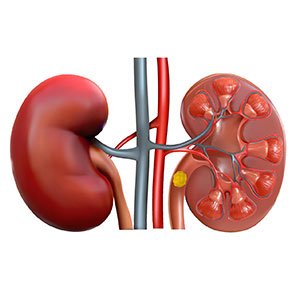
What are kidney stones?
Kidney stones are hard deposits that form when minerals and salts in urine concentrate and crystallize. Stones can remain in the kidney or move into the urinary tract. Their size, location and effect on urine flow help guide clinical decisions.
Some stones cause no symptoms, while others may lead to significant pain or urinary problems. A clinician can assess the cause and recommend next steps based on the individual situation.
Common symptoms
Symptoms vary depending on where a stone is located and whether it is blocking urine flow. Possible symptoms include:
- Pain in the side, back or lower abdomen that may come in waves
- Blood in the urine or discomfort while urinating
- Nausea or vomiting associated with pain
- A frequent or urgent need to urinate
How are kidney stones assessed?
Assessment may include a medical history, examination, urine or blood tests, and imaging. The choice of tests depends on symptoms, medical history and clinical findings. If a stone is passed or removed, analysis may help inform prevention advice.
Treatment depends on the individual
Not every kidney stone needs a procedure. Management can range from observation and symptom care to a minimally invasive treatment. The appropriate option depends on factors such as stone size, location, symptoms, urine drainage and overall health.
Procedures such as ureteroscopy, laser treatment or RIRS may be considered for selected patients. A urologist can explain the potential benefits, risks and alternatives for a particular case.
Reducing the chance of future stones
Prevention is tailored to the type of stone and a person’s health. A clinician may discuss fluid intake, dietary habits, medication or further testing. Follow individualized advice, especially if you have a condition that affects how much fluid you should drink.
Seek urgent medical care for severe or worsening pain, fever or chills, repeated vomiting, or difficulty passing urine. This article is general information and is not a diagnosis or substitute for medical advice.
Have questions about kidney stones or treatment options? Discuss your symptoms and concerns with a qualified urologist.
Book Consultation